You’re staring at the receipt, and your brain is doing two arguments at once.
One side says: “That was not great. Why would I reward it?”
The other side says: “What if it wasn’t their fault? What if I’m being unfair? What if I look cheap?”
That inner conflict is normal. Tipping sits in a weird place between money, manners, and moral math. And when the experience is bad, you don’t just want an answer. You want an answer that feels fair, avoids drama, and doesn’t turn you into the villain in your own story.
This guide gives you exactly that:
- Clear tip ranges that feel reasonable (not petty, not overly generous)
- A simple way to separate bad service from bad circumstances
- Ready-to-use scripts for the awkward moments
- Rules of thumb for restaurants, delivery, bars, hotels, and takeout
If you only remember one idea, remember this: you’re not “paying for perfection.” You’re responding to effort, respect, and responsibility.
Before we go deeper, here’s the fast version you can use in real life.
Quick tip ranges (sit-down restaurants):
- The issue wasn’t your server’s fault, and they tried: 15–20%
- The service was sloppy or inattentive, but not rude: 12–15%
- The server was rude, dismissive, or careless: 5–10%
- You were basically ignored: 0–5%
- The server was hostile, insulting, or discriminatory: 0%
Now let’s make those ranges feel easy to use—without guilt and without revenge.
Why This Question Feels So Uncomfortable (And Why It’s Normal)
Tipping isn’t like paying for groceries. It’s social. It’s emotional. It’s public. Even when nobody is watching, it still feels like somebody is.
That’s why “Should I tip for bad service?” can feel so loaded. You’re not only deciding what the service was worth. You’re deciding what kind of person you want to be in that moment.
A few reasons it gets so uncomfortable:
Tipping feels like judgment.
A tip can feel like a grade. That’s hard if you’re conflict-avoidant, empathetic, or simply tired.
You might be punishing the wrong person.
A lot of problems are created by the kitchen, understaffing, broken systems, or management decisions. The server becomes the messenger, and the customer gets stuck deciding whether to “shoot the messenger.”
You don’t want to be vindictive.
Most people don’t want to hurt someone financially over a mistake. You want a fair consequence, not a dramatic moral statement.
You want to avoid the post-meal regret.
People often replay the moment later. “I tipped too much.” “I tipped too little.” “I should’ve said something.” It’s easier to choose well when you have a framework.
Here’s the good news: you don’t need to read minds or solve the whole tipping system. You only need to answer a few practical questions that lead to a fair outcome.
The Golden Rule Most People Get Wrong About Bad Service
When people tip after a bad experience, they often focus on the outcome:
- The food took forever
- Something was wrong
- They forgot something
- It didn’t feel good
Outcome matters. But it’s not the fairest place to start.
A better starting point is this:
Judge what they controlled, not what you endured.
That doesn’t mean you ignore your experience. It means you separate two things:
- What the server could realistically influence
- What the server could not realistically influence
Then you add a third factor that matters a lot:
- How they handled it once it was happening
A late kitchen ticket can still be a decent dining experience if the server communicates, checks in, refills drinks, and treats you with respect. On the other hand, a minor mistake can feel huge if the server is rude, dismissive, or negligent.
If you want a clean mental model, use this trio:
- Control: Was the problem in their lane?
- Care: Did they show effort and respect?
- Communication: Did they keep you informed and try to fix it?
That’s the foundation of fair tipping without turning it into punishment.

The No-Awkwardness Framework You Can Use Every Time
When you’re deciding whether to reduce a tip, the goal is not to build a courtroom case. The goal is to make a calm, repeatable decision you can live with.
Run through this quick checklist:
Was the problem in their control?
Problems usually fall into two buckets.
Often not the server’s fault:
- The kitchen is slammed and tickets are slow
- The restaurant is understaffed
- The bar is backed up
- The POS system is down
- A dish is out of stock
- A manager is absent or unhelpful
Often is the server’s responsibility:
- Ignoring your table
- Not checking in for long stretches
- Getting an order wrong and not correcting it
- Being rude, dismissive, or defensive
- Dropping the check without finishing service
- Failing basic follow-through (refills, silverware, napkins)
Even when the root cause isn’t their fault, the way they respond still matters. That’s where the next questions come in.
Did they communicate in a way that reduced stress?
Communication is the difference between “This is annoying” and “This is chaos.”
Good communication sounds like:
- “Just a heads up, the kitchen is running about twenty minutes behind. I’ll keep you posted.”
- “I’m sorry about the delay. I’ll check on it and update you.”
- “I can offer a quicker option if you’re in a hurry.”
Poor communication sounds like:
- Disappearing and hoping you won’t notice
- Acting annoyed that you asked
- Giving vague answers that stall you (“It’s coming soon”) with no follow-up
Did they make any effort to improve the experience?
Effort doesn’t require magic. It requires attention.
Signs of effort:
- Checking in before you have to wave them down
- Keeping drinks filled
- Bringing bread, water, napkins, or condiments unprompted
- Offering an alternative
- Asking a manager for help when appropriate
A server can’t speed up the kitchen. But they can keep you from feeling ignored.
Did their attitude make the situation worse?
This matters more than many people admit.
- A small delay with a kind server feels manageable
- A small delay with a rude server feels insulting
If the attitude was disrespectful, dismissive, or hostile, a reduced tip is more socially defensible—because you’re responding to behavior, not punishing circumstances.
If you want an even simpler version, remember this:
Late food is frustrating. Being ignored is insulting. Being disrespected is unacceptable.
Those are three different tip outcomes.
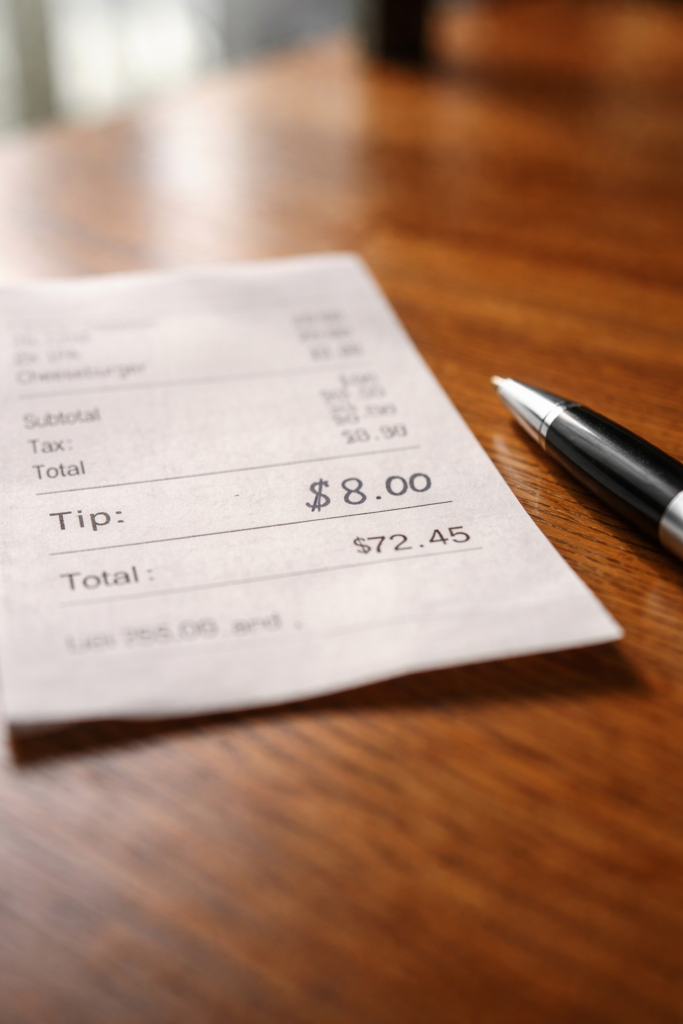
Exactly How Much to Tip for Bad Service (Percent Ranges That Feel Fair)
Let’s turn the framework into real ranges that people actually use without feeling petty.
These ranges assume a typical sit-down restaurant in the U.S. If you’re in a place where tipping norms are different, the relative idea still works: tip closer to normal when the issue wasn’t their fault, tip lower when the service behavior was the problem.
Slow service, but polite and trying
This is the classic “bad circumstances” category. You waited longer than you wanted, but the server stayed respectful and engaged.
Fair range: 12–15%
Tip closer to 15% if:
- They communicated delays clearly
- They checked in proactively
- They offered practical help (refills, updates, alternatives)
Tip closer to 12% if:
- They were pleasant, but absent
- You had to flag them down repeatedly
- The service felt disorganized, even if not rude
A useful mindset here is: you’re acknowledging their effort, while signaling the experience wasn’t smooth.
No-awkwardness script (if they ask how everything was):
“Thanks. It was a bit slow tonight, but I appreciate you checking in.”
Short. Honest. Not a fight.
Food is late, and they explain + apologize
Food delays are common, and often not the server’s fault. What you’re tipping for is how they navigated the delay.
Fair range: 15–18%
Tip closer to normal if:
- They gave you a realistic timeline
- They apologized without excuses
- They kept you informed and didn’t disappear
Tip lower if:
- They avoided you
- You had to ask multiple times
- They acted annoyed when you asked
This is where people often make a mistake: they punish the server for the kitchen. If the server did their job well, staying near normal is usually the fairest call.
Script you can use if you’re visibly on a time crunch:
“Quick heads up, we’re on a timeline tonight. If the kitchen is backed up, what’s the fastest option?”
That one sentence prevents resentment later.
The order is wrong, but they fix it quickly
Mistakes happen. A wrong side dish is not automatically “bad service.” What matters is how it’s handled.
Fair range: 15–18%
Tip closer to normal if:
- They acknowledge the mistake immediately
- They apologize without blaming you
- They fix it quickly or offer a smart alternative
Tip closer to 15% if:
- It caused inconvenience
- You had to ask twice
- The fix was slow but respectful
If the response is responsible and calm, tipping as if they “failed” often feels unfair. In many cases, the recovery matters more than the mistake.
Script if you want it corrected without drama:
“I think this is the wrong item. Could we swap it when you have a moment?”
Simple and polite. You’re not forced to play prosecutor.
Service is inattentive, but not rude
This is the “they weren’t mean, but they weren’t present” category. It often shows up as long stretches without check-ins, missing refills, and needing to wave for help.
Fair range: 10–15%
Tip closer to 15% if:
- The restaurant was clearly overwhelmed
- They were apologetic and tried to catch up
Tip closer to 10–12% if:
- The room wasn’t busy and you were still neglected
- They forgot basics repeatedly
- The inattentiveness felt careless
A helpful way to think about it: you’re paying for service that happened, not for service that should’ve happened.
The server is rude or dismissive
This is one of the clearest reasons to reduce a tip without feeling guilty.
Rudeness changes the meaning of the tip. At that point, it’s not about slow food. It’s about respect.
Fair range: 5–10%
Tip closer to 10% if:
- It was brief and mild
- You suspect it was a rough moment, not a pattern
Tip closer to 5% if:
- They were repeatedly rude
- They argued with you
- They made you feel like a burden for existing
If your concern is “I don’t want to be vindictive,” remember: tipping low for disrespect is not revenge. It’s feedback.
Script if they ask and you want to be honest but calm:
“I felt rushed and brushed off tonight. I’m sure it’s been a long shift, but it didn’t feel great.”
No insults. No escalation. Just a clear statement.
You were basically ignored
This is not “slow service.” This is neglect.
Signs you were ignored:
- Long gaps with no check-ins
- No refills, no updates, no presence
- You needed help but couldn’t get it
- You waited a long time for the check or to pay
Fair range: 0–5%
Tip closer to 5% if:
- Someone else stepped in and helped
- The restaurant was chaotic and you got partial service
Consider 0–2% if:
- You got virtually no service
- The neglect was extreme
- There was no attempt to recover
Some people prefer leaving a small amount rather than zero because it signals “I didn’t forget, I decided.” That’s a personal choice. Socially, both can be defensible when neglect is clear.
No-awkwardness move:
If you think it’s going to become a situation, pay, leave, and don’t debate. Your money is your vote.
Actively hostile, insulting, or discriminatory behavior
There are lines you do not have to pay to cross.
Examples:
- Insults
- Mocking
- Aggressive confrontation
- Discriminatory comments or treatment
- Retaliation for a question or request
Fair range: 0%
This is not cruelty. This is boundary-setting. If someone treats you in a way that would get them fired in many workplaces, you’re not obligated to subsidize that behavior.
If you want to address it, involve a manager. If you don’t, you can simply leave.
Scripts You Can Use Without Starting Conflict
Most people don’t want to “make a scene.” They want the moment to end cleanly. Scripts help because they reduce emotional improvisation.
Here are short, calm scripts that work in common situations.
When they ask, “Was everything okay?”
If the issue was mostly not their fault:
“It was a bit slow, but I know it’s a busy night. Thanks for checking in.”
If the issue was service attentiveness:
“We had a hard time getting refills and checking in, but we’re all set now.”
If the issue was attitude:
“It felt a bit rushed and not very welcoming tonight.”
If you want to keep it minimal:
“We’re okay. Thank you.”
You are allowed to keep it brief. You do not owe a performance.
When you want the manager without sounding dramatic
This is useful when the problem is bigger than one mistake.
“Could I speak with a manager for a moment? Nothing urgent—I just want to share a quick concern.”
This keeps it calm and signals you’re not seeking war.
When you plan to leave a reduced tip and want to communicate (optional)
You do not have to explain your tip. But sometimes a short note prevents misunderstanding and keeps your conscience clean.
Friendly and direct:
“Service was very slow tonight, and we had trouble getting help.”
If the issue was rudeness:
“Felt dismissed and rushed. I’m leaving feedback so it improves.”
If it was not their fault and you’re still tipping normally:
“Kitchen delays happen—thank you for keeping us updated.”
If you’re worried about sounding harsh, avoid adjectives like “terrible” or “awful.” Stick to facts: slow, missing, delayed, ignored, dismissive.
When you’re dealing with a tip screen in your face
Tip screens can feel like a public test. Here’s how to make it less awkward:
- Take your time like it’s normal (because it is)
- Use “custom” without apologizing
- Keep your face neutral
- Don’t explain unless you want to
If the employee is watching and you feel pressured, remind yourself: that pressure is a design choice, not a moral obligation.
When You Should Still Tip Normally (Even If You’re Annoyed)
Sometimes the experience is frustrating, but tipping low doesn’t hit the real cause. It hits the person nearest to you.
Here are situations where tipping closer to normal often feels fairest, assuming your server stayed respectful and tried.
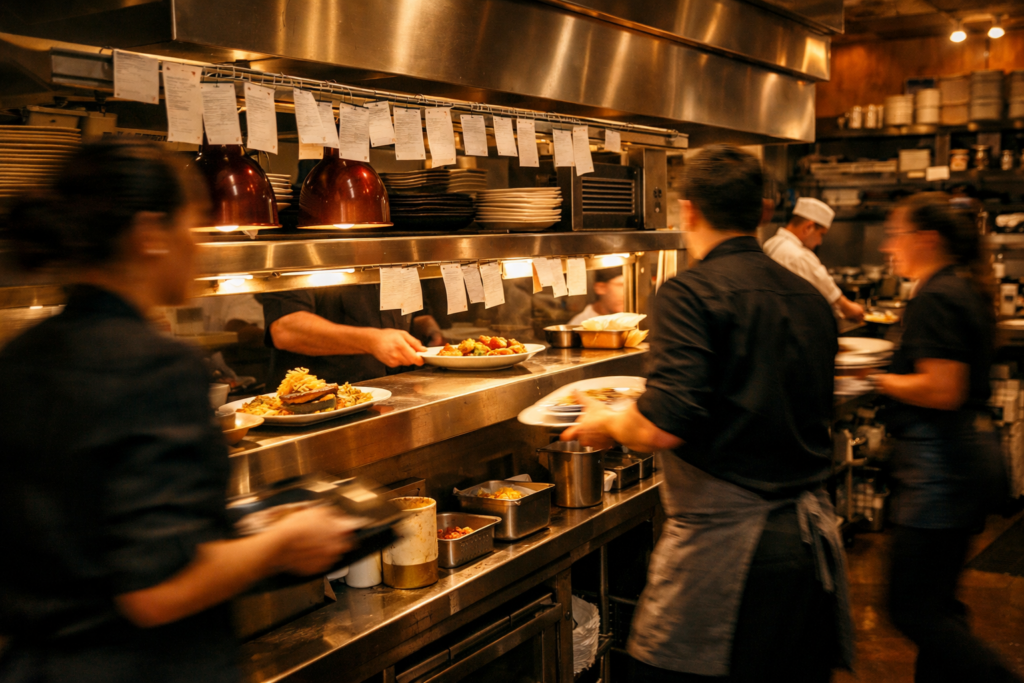
The kitchen is clearly backed up
If every table is waiting, and your server is doing damage control, a low tip often punishes the wrong person.
What “good service in a bad situation” looks like:
- Honest time estimates
- Visible effort (checking on you, refilling drinks)
- Clear communication
- Owning the delay without excuses
Understaffing is obvious
If one server is covering too many tables and still making an effort, they’re not failing you. The system is failing them and you.
A practical compromise:
- Tip in the normal range if effort is strong
- Leave feedback for management if the restaurant is consistently understaffed
The problem was fixed responsibly
If a mistake happens and the response is fast, apologetic, and competent, tipping as if the whole meal was ruined can feel out of proportion.
A good recovery often deserves a normal tip.
You received comps or discounts
If the restaurant comps an item because of a delay or mistake, many people tip based on the original total, not the discounted total. That’s not required, but it’s common and often fair—especially if the comp was meant to make up for the inconvenience and the server still worked the table.
If you want a simple approach:
- Tip based on what the meal would have cost without the discount, if the server’s effort was solid
- Tip based on the discounted total, if the server’s effort was weak
When It’s Reasonable Not to Tip at All
Not tipping is a strong signal, and it’s okay to reserve it for clear cases.
Here’s when zero is usually defensible:
You received essentially no service
If you were abandoned—no check-ins, no basics, no presence—then the tip doesn’t match reality.
The server was disrespectful or hostile
Respect is the baseline of service. When it’s missing, you’re not obligated to reward the interaction.
Serious misconduct occurred
If the behavior crossed into harassment, discrimination, or aggression, your priority is leaving safely and calmly. A zero tip can be part of that boundary, and involving a manager can be appropriate if you feel safe doing so.
If zero makes you anxious, you can still communicate through:
- Speaking to a manager
- Leaving a factual note
- Using the restaurant’s feedback channels later
But you are not required to fund disrespect to prove you’re a “good person.”
What About Delivery, Takeout, Bars, and Hotels?
Bad service looks different in different settings. The same “control, care, communication” model still works, but the tip ranges shift a bit.
Delivery that arrives very late
This one depends heavily on what caused the delay.
Often not the driver’s fault:
- Restaurant took too long to prepare
- App batching multiple orders
- Traffic or weather
- Wrong address in the system
More likely the driver’s responsibility:
- Poor communication
- Clearly avoidable delay
- Mishandling the order
- Rude or unsafe behavior
A practical approach:
- If the driver communicated and the delay seems system-related, tip closer to your usual range
- If the driver was careless or rude, reduce
If you’re trying to balance fairness with reality, consider splitting your response:
- Tip based on effort and communication
- Leave the main complaint through the platform’s feedback system when the platform is the cause
Takeout with mistakes
Takeout tipping norms vary, and people are often unsure.
If takeout service was basic and fine:
- A small tip is common but not universally expected
If takeout was wrong and inconvenient:
- Focus on getting it corrected
- Tipping becomes optional, especially if the staff is dismissive
If the staff fixes it quickly and respectfully:
- A small tip can still be a nice gesture, but it’s not a requirement the way table service is
Bartenders who ignore you
Bars can be tricky because the service model is different and the environment is loud.
If you’re being ignored while others are served repeatedly:
- That’s a service issue, not “bar chaos”
If the bar is slammed and the bartender is moving fast:
- It may be circumstances, not malice
A fair approach:
- Tip normally for good service
- Tip lower if you were repeatedly dismissed or skipped without reason
- If the bartender is rude, dismissive, or hostile, you can tip very low or not at all
If you want to prevent the situation early:
“Whenever you have a second, I’d love to start a tab.”
Short. Clear. Low drama.
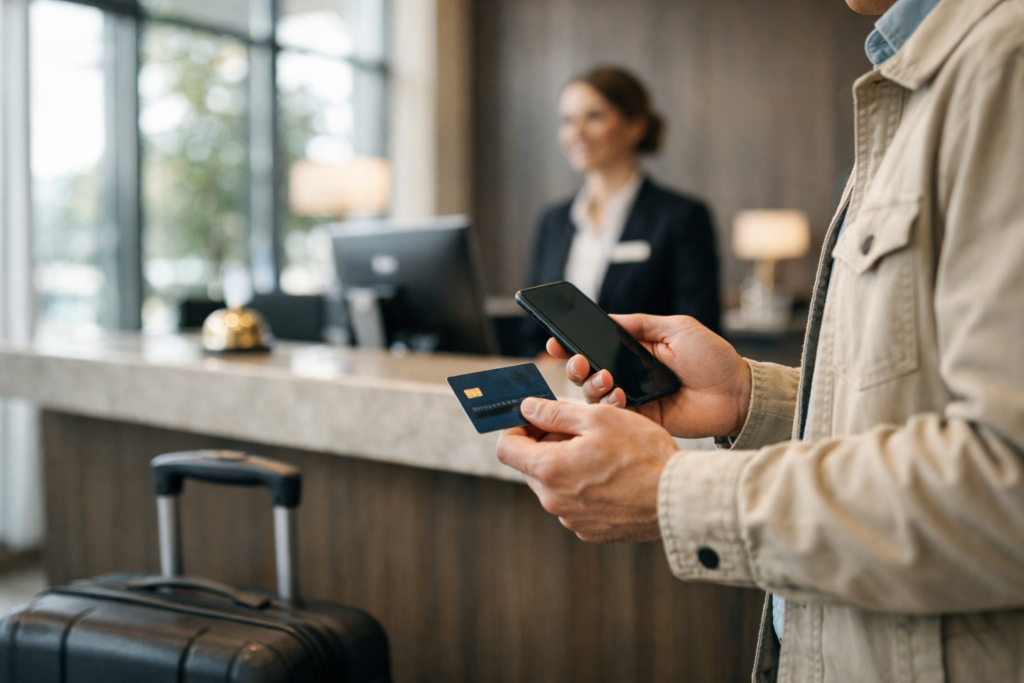
Hotels and service staff
Hotel tipping is often about repeated service and discretion.
Housekeeping:
- If housekeeping misses something once and fixes it fast when asked, most people still tip
- If service is consistently neglected and staff is rude, you can reduce or pause tipping and communicate with the front desk
Bell staff:
- If the interaction is professional, tip as normal
- If they’re careless with bags or rude, reduce
Front desk:
- Tipping is not typically expected, so the “bad service tip dilemma” usually doesn’t apply the same way
The Psychology Trap That Makes People Over-Tip After Bad Service
A lot of people tip too much after bad service for one reason:
They’re paying to end the awkwardness.
That can look like:
- Leaving a normal tip even when they felt disrespected
- Tipping high because they don’t want to be “mean”
- Tipping to avoid being judged by a partner, friend, or the staff
This is guilt tipping, and it’s extremely common.
If you struggle with it, use a calmer internal script:
- “Fair is not the same as generous.”
- “I can be respectful without overpaying.”
- “I’m tipping for service that happened, not service I wish happened.”
A simple trick that helps:
- Decide your range before the bill arrives
- Use your framework
- Tip with a steady hand and move on
Regret usually comes from tipping emotionally, not from tipping fairly.
A Practical “Do This, Not That” Guide for the Moment
When you’re in the restaurant and you want the moment to go smoothly, these moves work.
Do this:
- Ask for updates early if you’re on a time crunch
- Stay calm and factual
- Give the staff a chance to fix the issue if you want it fixed
- Tip based on control, effort, and respect
- Escalate to a manager when the problem is systemic or serious
Avoid this:
- Waiting silently until you’re furious
- Using the tip as your only form of communication when a fix was possible
- Punishing a server for the kitchen while they’re trying hard
- Over-tipping just to escape discomfort
Fairness is not loud. It’s consistent.
Closing Thought: Fair Tipping Is Calm, Not Emotional
Bad service puts you in an annoying position. You didn’t ask to become the judge of someone’s performance. But since the system puts you there, the best move is to respond in a way that’s fair and steady.
Tip normally when the problem wasn’t in their control and they handled it well.
Reduce when the service behavior failed the basics.
Go very low or zero when you were neglected or disrespected.
You don’t need to punish.
You don’t need to perform kindness with your wallet.
You just need a decision you can stand behind tomorrow.
If you want a simple mantra to leave with:
Reward effort. Protect your boundaries. Keep it calm.
FAQ
Should you tip for bad service if the restaurant is clearly understaffed?
If your server is working hard, communicating, and treating you well, tipping closer to normal is usually the fairest move. Understaffing is a management problem, and tipping low often hits the wrong person.
Is it rude to tip less for bad service?
Not if the reduction is reasonable and tied to service behavior. A calm reduction is a normal form of feedback. What tends to feel rude is being dramatic or cruel about it.
Should you ever leave a zero tip?
Yes, in clear cases like neglect, hostility, or serious misconduct. Zero is strongest when it’s obvious why it happened.
If the food is late, should you reduce the tip?
Only if the server handled it poorly. If they communicated, checked in, and tried, the delay is often not their fault. Tip based on how they managed the situation.
What if the server apologizes—does that mean you should tip normally?
An apology matters, but effort matters more. If they apologize and then disappear again, a reduction can still be fair. If they apologize and actively improve the experience, tipping closer to normal makes sense.
Should you explain a reduced tip?
You don’t have to. If you choose to, keep it factual and short. Avoid insults. One calm sentence is plenty.
What if your table disagrees on the tip?
Use the framework and propose a range. If someone wants to tip normally to avoid awkwardness, suggest a middle ground. If someone wants to punish, suggest focusing on behavior and fairness, not revenge.
Does tipping less actually improve service?
Sometimes it signals feedback, but it’s not a guaranteed behavior-changer. If you want improvement, calmly telling a manager what happened is often more effective than making the tip do all the talking.
If something is comped, should you tip on the original amount?
Many people do, especially if the server’s effort was strong and the comp was meant to make things right. If the service was weak, tipping on the discounted total can feel more aligned with your experience.
What if the server was rude but the rest of the meal was fine?
Rudeness changes the whole tone of service. A lower tip is often fair even if the food was good, because you’re responding to the service experience, not just the meal.
What about bad service on delivery apps?
Try to separate driver responsibility from platform or restaurant delays. If the driver communicated and the delay seems system-related, consider tipping closer to normal and using the app feedback for the system problem.